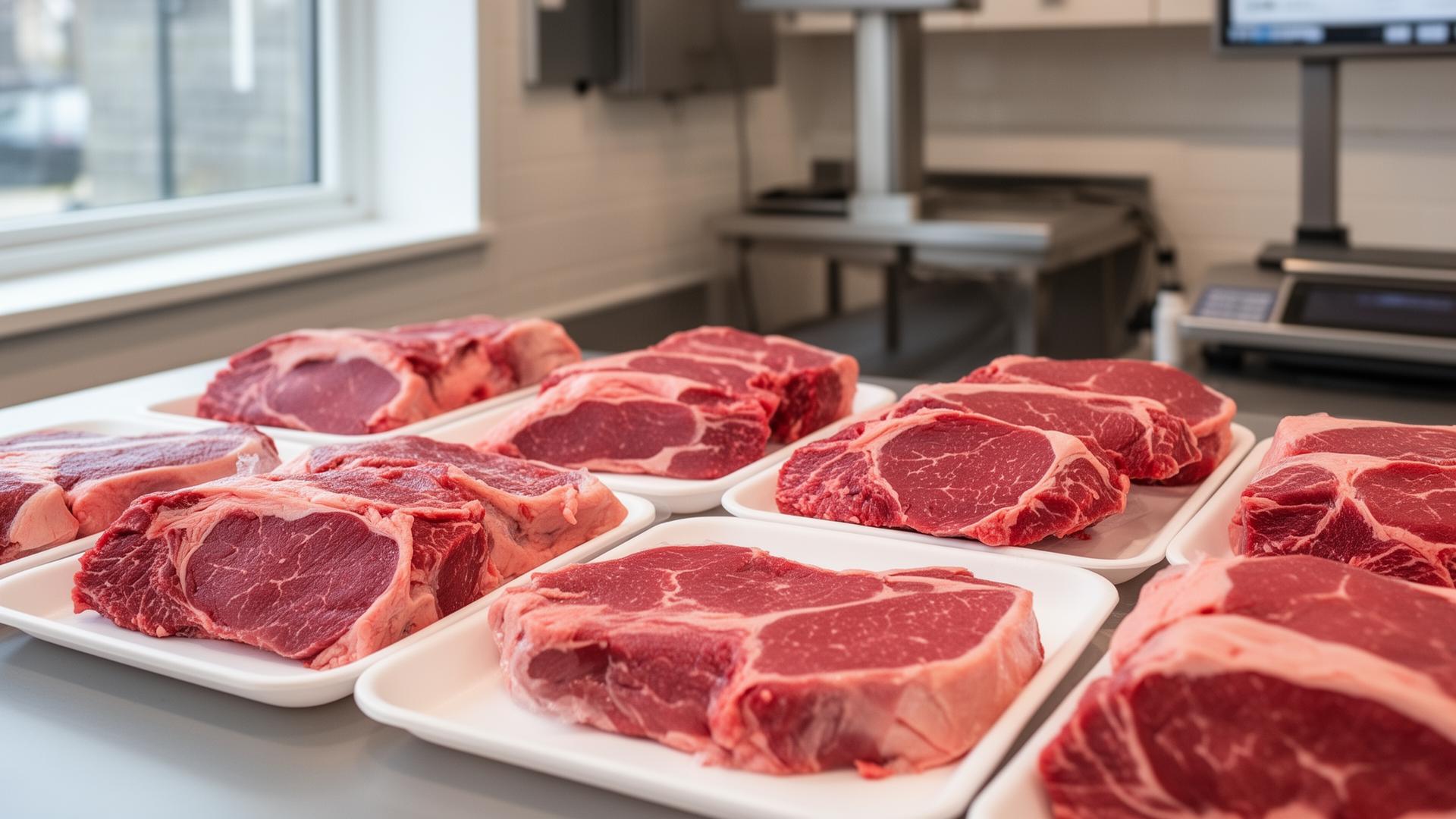
- Halal meat follows clear, documented Islamic guidelines.
- It is built on cleanliness, welfare, and traceability.
- Certification covers the full chain — not just slaughter.
- UK diners increasingly expect halal options as standard.
- A specialist halal supplier protects quality and consistency every week.
What halal meat actually means
Halal is an Arabic word that simply means "permissible". When it is applied to meat, it refers to food that has been raised, handled, and processed in line with Islamic dietary guidelines.
It is a clear, documented standard — not a vague marketing label. For a product to be sold as halal in the UK, it has to follow specific rules around animal welfare, slaughter, hygiene, and traceability.
For restaurants, takeaways, and catering kitchens, that matters. Halal is one of the few labels on a menu that has a defined process behind it, audited by an independent certifying body.
How halal meat is prepared
There are four core requirements that apply every time, on every animal:
- The animal must be healthy and well cared for before processing.
- Slaughter must be carried out by a trained Muslim, using a sharp blade in a single cut.
- A short prayer (tasmiya) is said before the cut is made.
- Blood must be fully drained from the carcass before any further processing.
These rules exist for one reason: clean, respectful, consistent handling on every single animal.
Why halal matters for UK restaurants
Halal is no longer a niche requirement in the UK. In most major cities, a significant share of diners actively look for halal options when choosing where to eat — and many will avoid venues that cannot confirm it.
Offering halal meat opens your menu to a wider audience without changing your core dishes. A burger, a steak, a curry, a kebab — all of them work exactly the same on halal meat, with the added benefit that more customers can confidently order them.
It also builds trust. When a customer asks "is this halal?", a clear, confident yes — backed by a supplier you can name — is worth more than any marketing campaign.
Customers want to know where their food comes from. Halal answers that question with a paper trail.
The practical translation.
- Wider customer base in every UK city.
- Cleaner handling, safer storage, longer shelf life.
- Consistent cuts and weights on every order.
- Reliable supply you can plan a menu around.
- Documented chain of custody you can show a customer.
- Less waste from rejected or inconsistent deliveries.
Quality, food safety, and consistency
One of the most underrated benefits of halal sourcing is consistency. Because the process is tightly defined and audited, a specialist halal supplier tends to run cleaner facilities, tighter cold chains, and more disciplined cutting rooms than a general wholesaler.
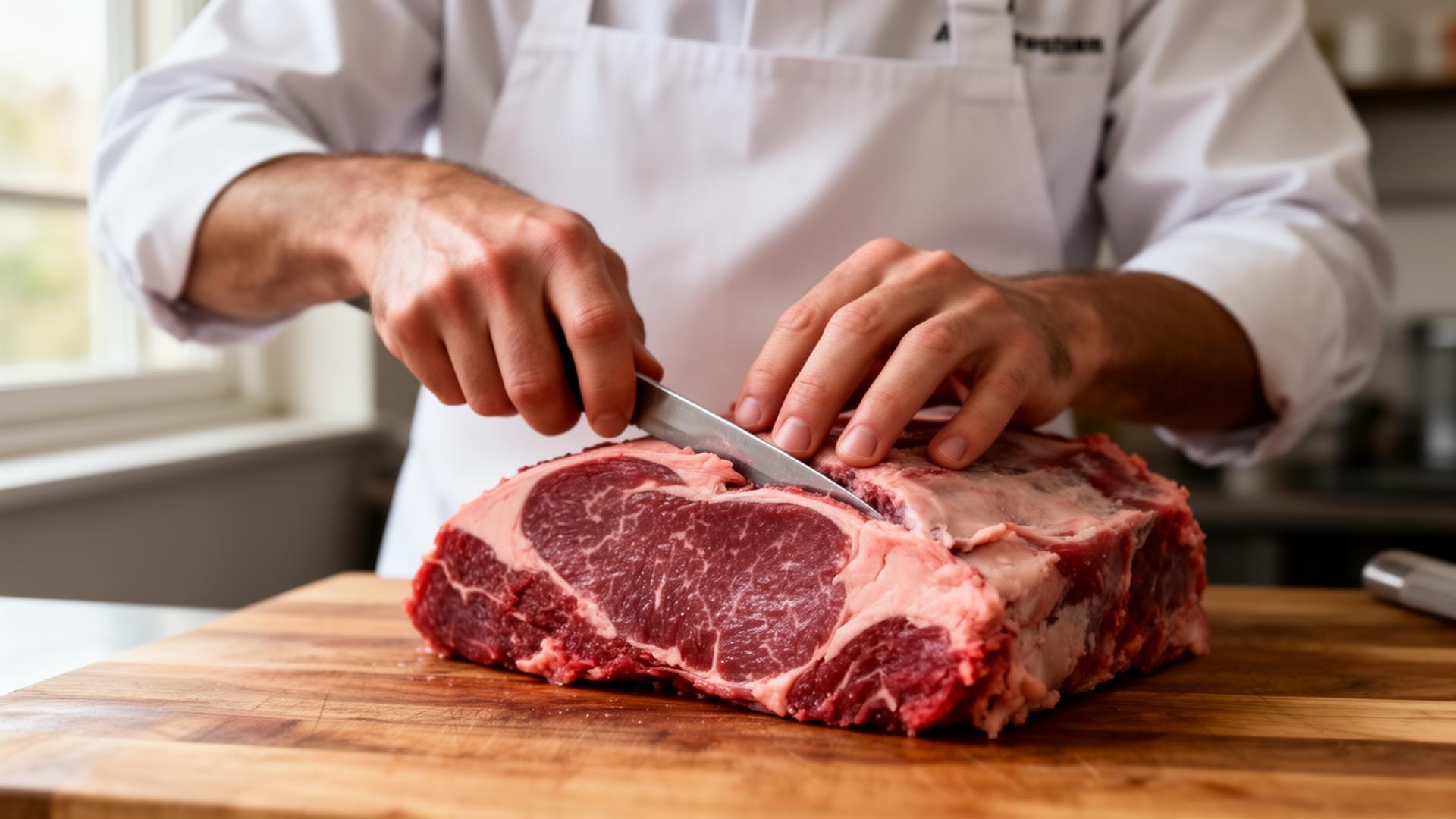
That shows up in your kitchen as longer shelf life, more uniform cuts, and fewer surprises on a Monday morning. Chefs spend less time trimming, re-portioning, or rejecting product — and more time on service.
Halal-certified facilities are also subject to regular third-party audits covering storage temperature, segregation from non-halal product, labelling, and transport. For a busy restaurant, that is a quiet but real food-safety advantage.
What to look for in a halal meat supplier
Not every supplier that ticks the halal box is the right fit for a professional kitchen. A short checklist makes the choice much easier:
- Current, named halal certification you can see in writing.
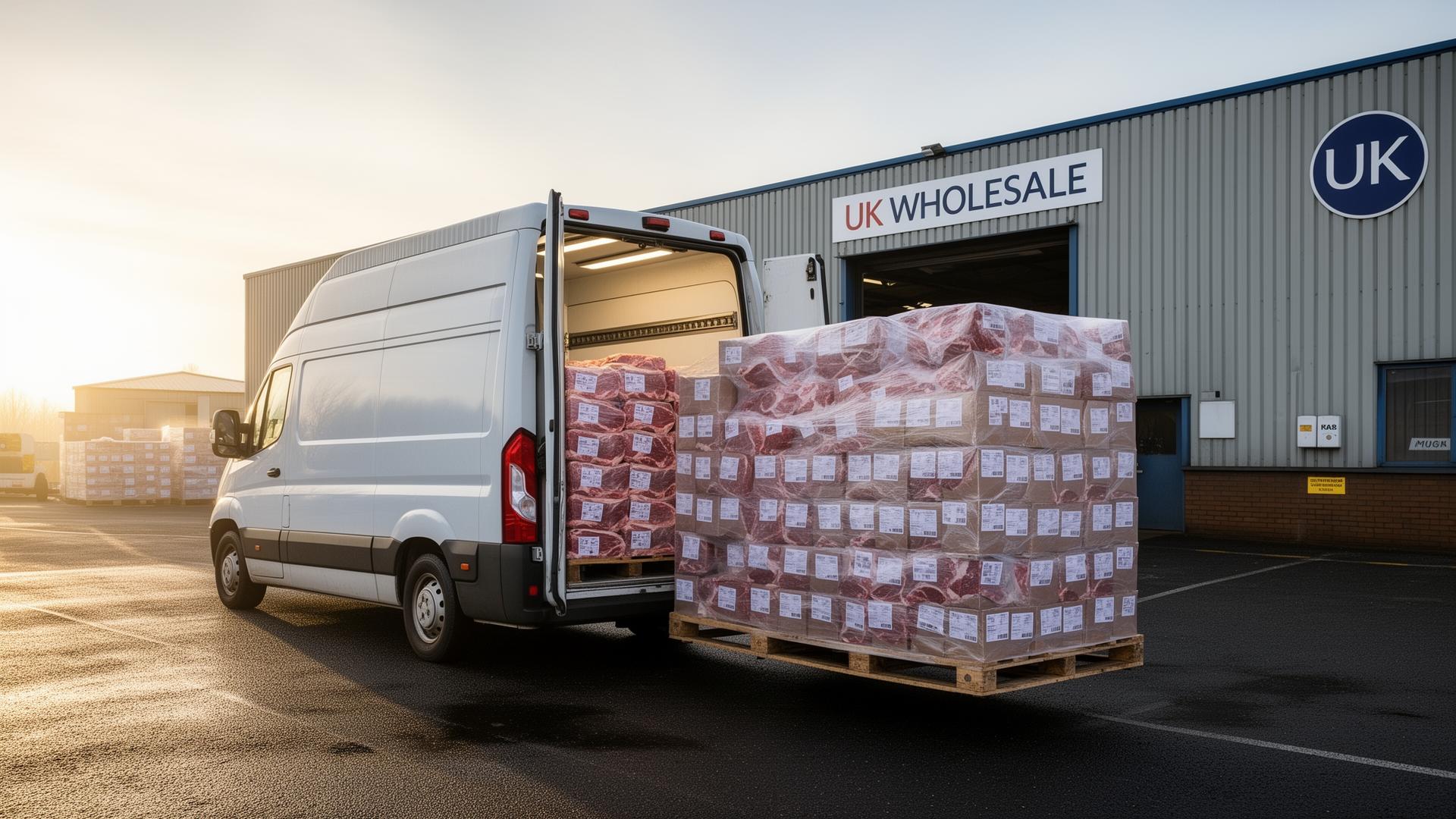
- A refrigerated fleet with logged temperatures and predictable delivery windows.
- Clear product specs — cut, weight, trim, packaging — on every line.
- A real person on the phone when something needs to change.
- The ability to scale with you as your menu and volume grow.
A good halal supplier is invisible when things go well, and easy to reach the moment they do not.
Common questions from UK kitchens
Is halal meat only for Muslim customers? No. Anyone can eat halal meat, and many non-Muslim diners actively prefer it for the cleanliness and consistency.
Does halal cost more? Not meaningfully, when you compare like-for-like cuts from a specialist. Any small difference is usually offset by lower waste and longer shelf life.
Do I have to label my whole menu halal? No. You can run a fully halal kitchen, or simply confirm halal sourcing when a customer asks. What matters is that the answer is honest and traceable.
If you would like to see the full range of halal beef, lamb, chicken, and frozen products we supply to UK trade kitchens, you can browse our wholesale catalogue at /wholesale-products-uk, or get in touch via /contact-halal-meat-supplier-uk to discuss your weekly order.
Halal is a standard, not a niche — and with the right supplier, it becomes one of the quietest competitive advantages your kitchen has.
Comments (0)
Comments are reviewed before publishing. For trade enquiries, please use the contact form.